How Roofing Service Delivers Quality Craftsmanship
Determining the Most Qualified Roofing Contractor: Necessary Questions to Raise Before You Onboard
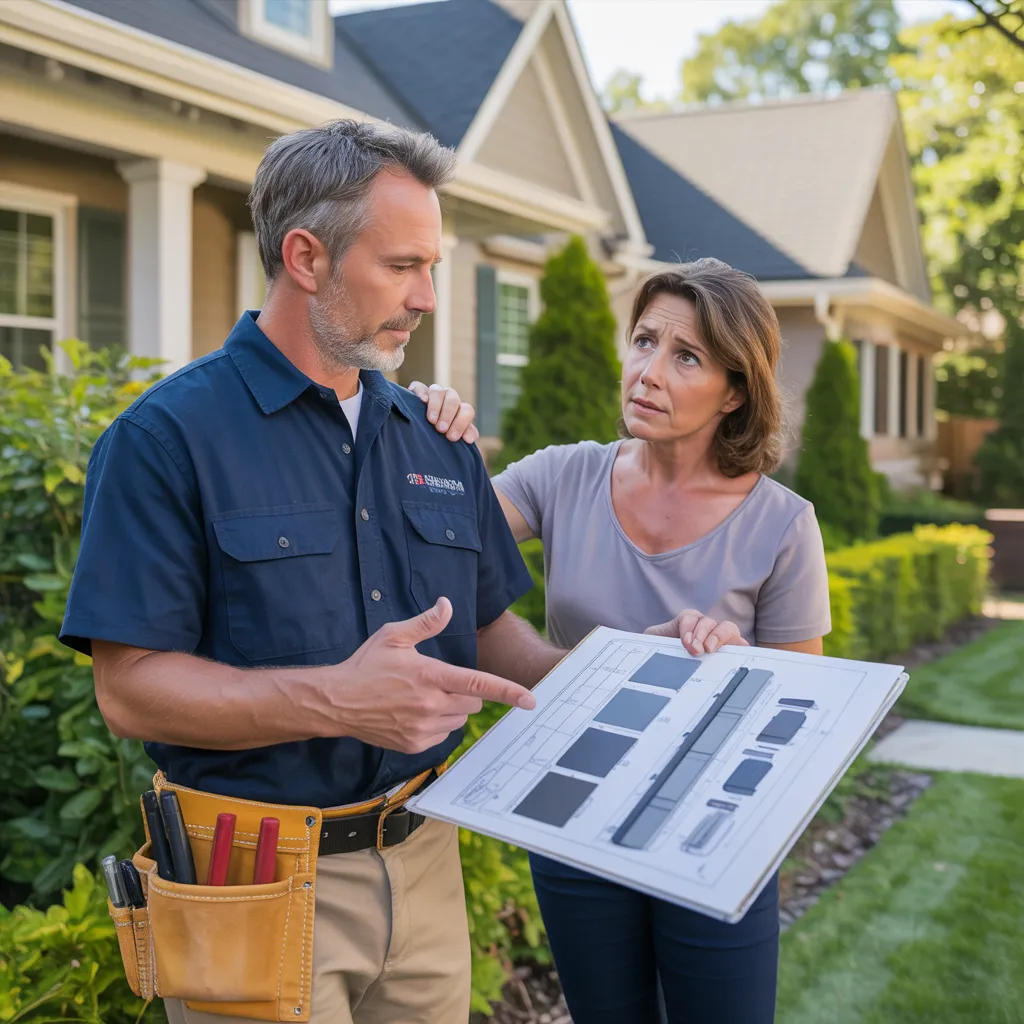
Selecting the suitable roofing contractor is a crucial decision for homeowners. Numerous factors affect the quality of work and overall satisfaction. Licensing, experience, and warranties are just a few of the essential aspects to take into account. By asking the appropriate questions, homeowners can clarify expectations and guarantee a seamless process. However, grasping these elements is only the beginning. What specific questions should be prioritized to avoid future complications?
What Credentials Make a Outstanding Roofing Expert?
What baseline qualifications should one contemplate when choosing a roofing contractor? A capable contractor should carry proper licensing and insurance, demonstrating compliance with local regulations and shields against liability. background in the industry is key; seasoned contractors are more qualified to work through unexpected challenges smoothly. Additionally, a substantial portfolio presenting previous work provides understanding into their artisanship and style.
Certifications from suppliers can show expertise in specific roofing systems, while participation in industry organizations often indicates commitment to guidelines and ongoing training. Another crucial element is references; favorable reviews from happy customers can give assurance of a roofer's dependability and professionalism. Finally, a clear, detailed written quote detailing scope, components, and schedules is essential for clarity and informed decision-making. By evaluating these credentials, homeowners can pick a roofing contractor who satisfies their needs and guarantees a productive project.
Confirming a Roofing Contractor's Track Record - How to Evaluate?
In what ways can property owners guarantee that a roof company possesses a solid reputation? One effective method is to seek out internet-based testimonials and testimonials. Sources like Google, Yelp, and Angie's List frequently supply insights into prior customers' narratives. Homeowners should likewise check the contractor's standings with the Better Business Bureau (BBB) to recognize any complaints or outstanding matters.
Furthermore, obtaining references directly from the contractor can offer a more transparent view of their dependability and workmanship. Speaking with previous clients enables homeowners to gauge satisfaction and the contractor's attentiveness to issues.
Moreover, it's useful to check any professional credentials and licenses, as these often reflect a adherence to professional norms. Finally, contacting local building authorities can deliver insights into the contractor's qualifications and protection, further verifying their credibility in the community.
Fundamental Roof Warranty Forms You Need Recognize
Understanding the different varieties of roofing warranties is vital for homeowners considering a roof replacement or installation. Generally, there are two types of warranties: manufacturer warranties and workmanship warranties. Manufacturer warranties protect defects in materials, generally lasting between 20 to 50 years, depending on the roofing material. These warranties assure that if the roofing material fails prematurely, the manufacturer will provide a replacement for it.
Conversely, workmanship warranties are issued by the roofing contractor and cover the installation standards. These protections can span from one to ten years. It's important for property owners to clarify the terms and conditions of each variety, as they may have limitations or exclusions. Furthermore, recognizing whether the protection is transferrable can greatly impact future property values. Subsequently, homeowners should meticulously examine and explore warranty options with their potential roofing professional to guarantee comprehensive protection.
Evaluating Roofing Contractor Cost Choices?
When evaluating roofing contractor cost choices, homeowners often question which elements influence the overall expense. Key components consist of the kind of roofing materials chosen, as premium options like slate or metal typically result in higher costs versus asphalt shingles. Labor expenses also play a important part; experienced contractors may ask more but provide better workmanship. Additionally, the intricacy of the roof structure impacts pricing; steep or multi-layered roofs demand more labor and safety measures. Homeowners should also take into account regional cost differences, as market demand and local regulations can affect expenses. It is recommended to get multiple estimates to contrast Premier Roofing & Exteriors pricing structures and ensure transparency. Finally, reviewing the contractor's reputation and past work can give insight into whether the costs reflects quality service and materials. Comprehending these elements can help homeowners reach informed choices that align with their budget and roofing needs.
Safety Standards That Roofing Contractors Must Follow
When selecting a roofing contractor, it is essential to consider their commitment to safety standards. Following OSHA regulations, the use of personal protective equipment, and the establishment of safety training programs are critical factors that ensure worker safety on the job site. Understanding these requirements can help homeowners choose wisely about their roofing contractors.
OSHA Regulatory Obligations
Roofing builders must comply with specific OSHA compliance requirements to ensure safety on job sites. These rules are minimize hazards associated with roofing work, which often involves elevations and heavy materials. Contractors are obligated to implement fall protection systems, including barriers, safety nets, or personal fall arrest systems when necessary. Additionally, they must ensure that all employees are trained in recognizing and avoiding potential safety risks. Proper scaffolding and ladder use, as well as managing materials safely, are also vital components of OSHA compliance. Regular inspections and maintenance of equipment are required to copyright safety standards. By following these guidelines, roofing contractors not only protect their workers but also improve overall project efficiency and integrity.
Personal Safeguarding Apparatus
Proper utilization of PPE is vital for roofing contractors to ensure safety on the job site. Contractors should verify that their teams are equipped with hard hats, safety glasses, and gloves to protect against falling debris and sharp objects. Additionally, harnesses and fall protection systems are crucial when working at heights, reducing the risk of serious injury. Steel-toed boots provide required foot protection, while high-visibility clothing helps enhance worker visibility, especially in busy areas. It is also imperative that contractors regularly inspect and maintain this equipment to confirm its effectiveness. By adhering to PPE standards, roofing contractors can greatly reduce workplace hazards and create a safer environment for their crew.
Security Educational Programs
Proper safety training programs are important for ensuring that roofing contractors maintain safety standards at work sites. These programs deliver important understanding to workers about hazards, proper equipment use, and emergency measures. An organized training regimen must include fall protection, ladder safety, and material handling, along with other subjects. Ongoing refresher sessions are vital since they support reinforcing safe procedures and adapting to advancing industry standards. Contractors need to supply documentation for their training modules, including certificates and persistent education activities. Clients must question the regularity and depth of these training courses, as compliance with safety standards directly influences the health of workers and project deadlines. Prioritizing safety training reflects a contractor's commitment to professionalism and quality work.
Maintaining Clear Communication With Your Roofing Contractor
Building clear communication with a roofing contractor is necessary for a successful project. Clear communication supports setting expectations and reduces misunderstandings that could cause costly delays or errors. Homeowners should start by discussing project durations, budget limits, and specific materials desired. The contractor must provide detailed proposals and regular updates throughout the project.
Ongoing communications can validate that the project maintains momentum and that any obstacles are attended to promptly. Homeowners should feel assured raising questions and seeking clarification on technical terms or processes.
Additionally, creating preferred modes of communication—whether via phone, email, or in-person meetings—can boost collaboration. Recording exchanges and understandings in writing can also serve as a touchstone. Finally, open lines of communication encourage a healthy professional dynamic, ensuring that both parties are aligned and content with the outcome of the roofing project.
Frequently Requested Questions
What Styles of Roof Options Do You Recommend and Why?
The contractor recommended asphalt shingles for cost-effectiveness and long-lasting performance, metal for longevity and energy efficiency, and slate for aesthetic appeal and lifespan. Each material provides unique benefits, catering to different homeowner needs and preferences.
How Do You Manage Unforeseen Problems During the Undertaking?
The contractor highlighted active dialogue, detailing unexpected issues transparently with clients. They presented potential solutions and adjustments to timelines or budgets, guaranteeing clients felt knowledgeable and confident throughout the project's progression despite unforeseen challenges.
Can you provide a comprehensive timeline for the Roofing Project?
A reputable professional will provide a comprehensive timeline outlining each project phase, including start and finish dates. This schedule ensures transparency and helps homeowners control expectations while promoting dialogue throughout the roofing process.
Are You Skilled With My Specific Type of Roof?
The contractor verified wide-ranging expertise with multiple roofing materials, featuring the exact material in question. Their portfolio revealed many successful projects, demonstrating proficiency and a commitment to quality, thus fostering confidence in potential clients.
What Strategy Do You Follow for Clean-Up After the Undertaking Is Complete?
The contractor detailed a thorough clean-up procedure, including daily debris removal, final reviews for leftover materials, and proper disposal of waste. They highlighted upholding a tidy work environment to guarantee safety and client satisfaction across the whole project.
In final thoughts, we have investigated the main concepts presented throughout this work.
To summarize, picking the ideal roof professional requires careful analysis and extensive questioning. By reviewing qualifications, confirming reputation, grasping warranty types, analyzing cost structures, maintaining safety protocols, and establishing open dialogue, residents can establish informed choices. Implementing these steps not only guards the caliber of the roof installation but also elevates sense of security throughout the timeline. Ultimately, a carefully selected service provider can produce a positive and pleasing roofing experience.